Common Causes of Cracks in Commercial Concrete Slabs
To repair cracks caused by common issues like settlement or temperature changes, local contractors can assess and restore commercial concrete slabs effectively.
If you’ve noticed cracks appearing in commercial concrete slabs on your property, you’re not alone. Understanding the common causes of cracks in commercial concrete slabs can help property owners identify potential issues early and take proactive steps to address them. Factors such as improper mixing, inadequate curing, soil movement, or heavy loads can all contribute to the development of cracks over time. Recognizing these causes is essential for maintaining the safety, appearance, and longevity of your concrete surfaces. Local contractors who specialize in concrete repair can assess the situation, diagnose the underlying issues, and recommend effective solutions to restore your slabs and prevent future damage.
Exploring the reasons behind cracks in commercial concrete slabs is a practical step for property owners seeking to protect their investments. Whether the cracks are minor or more extensive, understanding their origins can guide decisions about repair and reinforcement. Many local service providers offer crack repair services tailored to address specific causes, helping to ensure that your concrete remains durable and functional. By staying informed about common issues and working with experienced contractors, property owners can better manage repairs and maintain the integrity of their commercial spaces. Keep reading to learn more about how these causes develop and how local pros can assist in keeping your concrete in top condition.
- Commercial concrete slab crack repair services are often needed when ground movement causes settlement or shifting that leads to cracking. Local contractors can assess the extent of damage and use specialized techniques to stabilize and repair cracks effectively. When heavy loads or frequent traffic induce stress on the slab, repair services help restore structural integrity and prevent further damage. Cracks resulting from improper curing or poor installation can be addressed by experienced service providers who focus on proper sealing and reinforcement. In cases where temperature fluctuations cause expansion and contraction, local pros can implement solutions to accommodate movement and prevent new cracks.
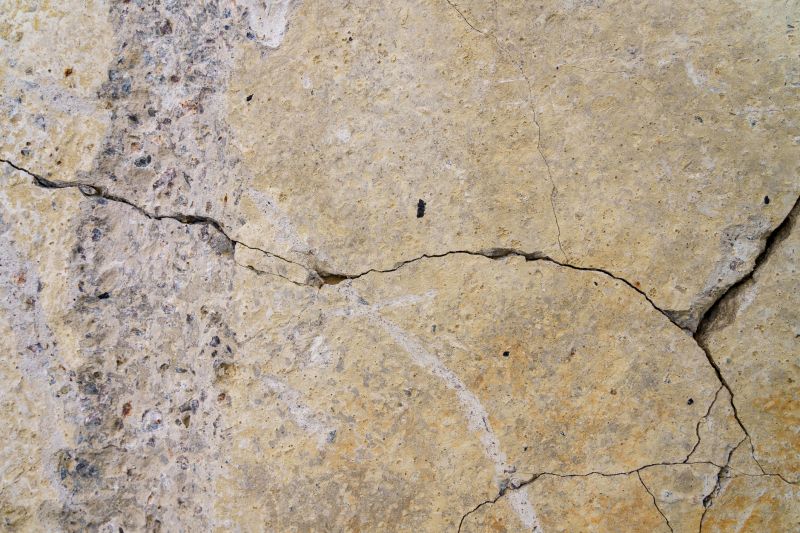
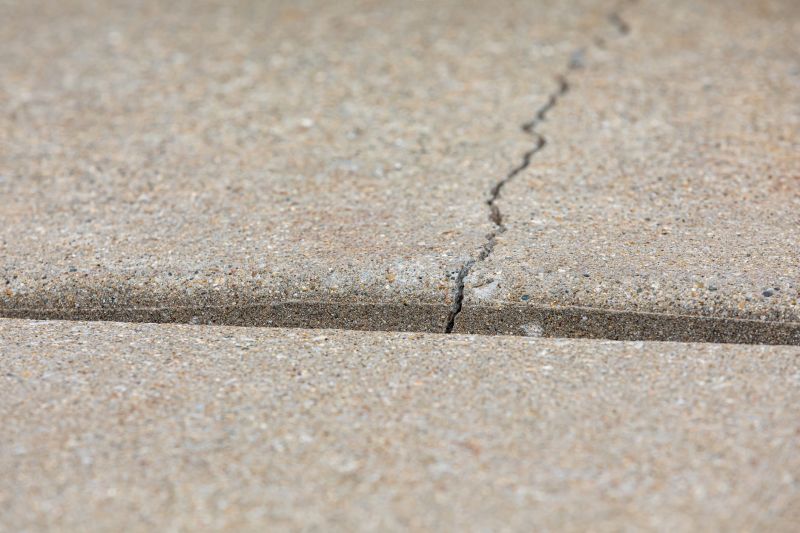
Understanding the common causes of cracks in commercial concrete slabs is essential for property owners, contractors, and facility managers who want to maintain the integrity and safety of their structures. When searching for this topic, many people are typically concerned about why their concrete slabs are developing cracks and what those cracks might indicate about the overall condition of the property. Cracks can compromise the durability of a slab, leading to uneven surfaces, water infiltration, and potential safety hazards. Recognizing the root causes helps in planning appropriate repair strategies and prevents further damage, making it a critical consideration for ongoing property maintenance and renovation projects.
This topic often relates to problems such as structural stress, poor installation practices, and environmental influences. For example, excessive load or shifting soil beneath a slab can cause it to crack over time. Similarly, improper mixing or finishing of concrete during installation can lead to weaknesses that manifest as surface cracks later on. Environmental factors like temperature fluctuations, moisture changes, and exposure to de-icing salts can also accelerate cracking. Property owners and managers who understand these causes are better equipped to work with service providers to develop effective repair plans that address the specific issues affecting their commercial spaces.
Commercial properties that commonly experience cracks in concrete slabs include warehouses, retail stores, parking lots, and industrial facilities. These types of properties often have large, flat concrete surfaces that are subjected to heavy traffic, loading, and environmental stressors. Parking garages and loading docks are particularly prone to cracking due to the constant pressure from vehicles and the freeze-thaw cycles that cause expansion and contraction of the concrete. Recognizing the specific conditions and usage patterns of a property helps in identifying the most likely causes of cracking and selecting the right local contractors for repair work. These professionals can assess the damage, determine the underlying issues, and recommend targeted solutions to restore the integrity of the concrete slabs.
When cracks appear in commercial concrete slabs, it’s important to understand that repair is often part of a broader maintenance plan. Local service providers who specialize in concrete crack repair can diagnose whether cracks are superficial or indicative of deeper problems. They can also recommend appropriate repair techniques, such as epoxy injections, slab leveling, or joint sealing, depending on the cause. Proper identification of the root causes ensures that repairs are durable and effective, reducing the risk of future cracking. Property owners and managers benefit from working with experienced local contractors who understand the unique demands of commercial concrete and can help extend the lifespan of their slabs through timely and precise repairs.
Industrial flooring projects - these projects often involve large-scale concrete installation and repair, requiring expertise in addressing cracks caused by heavy loads and thermal expansion.
Parking lot construction and maintenance - local contractors working on parking lots deal with common causes of cracks in commercial concrete slabs, such as soil movement and improper curing.
Warehouse flooring services - warehouse floors demand durable concrete with minimal cracking, and service providers skilled in crack prevention and repair are essential for long-term performance.
Retail space concrete overlays - these projects involve surface repairs and overlays that can reveal or exacerbate cracks caused by settlement or shrinkage, requiring specialized repair skills.
Sidewalk and walkway installation - local contractors experienced in sidewalk construction handle common causes of cracks like freeze-thaw cycles and ground shifting.
Commercial foundation repair - foundation issues often lead to cracks in slabs above, and service providers can diagnose and fix underlying causes to prevent further damage.
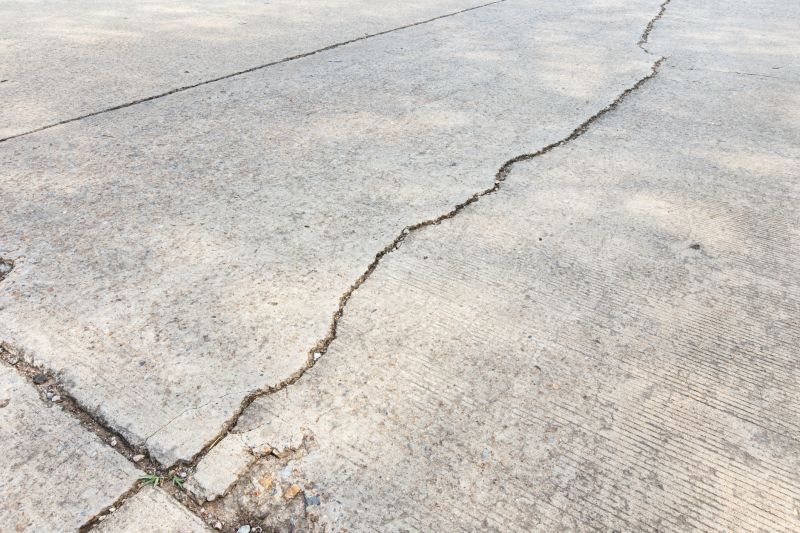
When comparing local contractors for commercial concrete slab crack repair, it is important to consider their experience with similar projects. Contractors who have handled cracks in commercial slabs comparable in size, usage, and environmental conditions are more likely to understand the common causes of cracks in commercial concrete slabs and how to address them effectively. Asking about their past work can provide insight into their familiarity with issues such as settlement, shrinkage, or thermal expansion, which are often responsible for cracks. A contractor’s ability to identify the root cause of cracks based on previous projects can lead to more durable and appropriate repair solutions.
Clear written expectations are essential when evaluating service providers for concrete slab crack repair. Reputable local contractors should be able to provide detailed descriptions of the repair process, what the work will entail, and the materials that will be used. This transparency helps ensure that both parties share a mutual understanding of the scope and limitations of the project. Having well-defined expectations can prevent misunderstandings and provide a basis for assessing whether the contractor’s approach aligns with the specific needs of the commercial space, especially when addressing common causes of cracks such as soil movement or improper curing.
Reputable references and good communication are key factors to consider when selecting local pros for concrete slab repair. Service providers with positive references from previous commercial clients demonstrate a track record of reliable work and customer satisfaction. Additionally, clear and responsive communication throughout the process indicates professionalism and a willingness to address questions or concerns promptly. This level of engagement can be particularly valuable when dealing with issues related to common causes of cracks, as it ensures that the contractor can accurately diagnose problems, explain repair options, and adapt to any unforeseen challenges that may arise during the project.
Property owners often search for common causes of cracks in commercial concrete slabs when they are planning practical projects around their homes and businesses. Local pros provide Commercial Concrete Slab Crack Repair services for everyday jobs and straightforward project options.
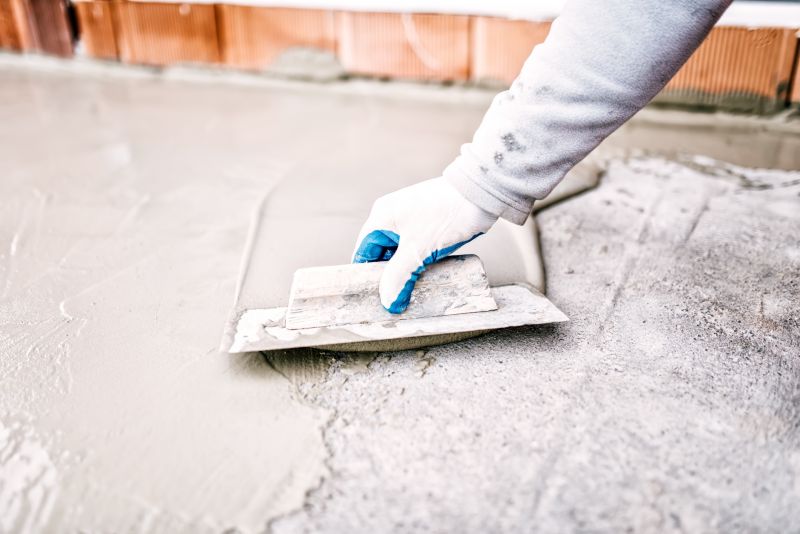
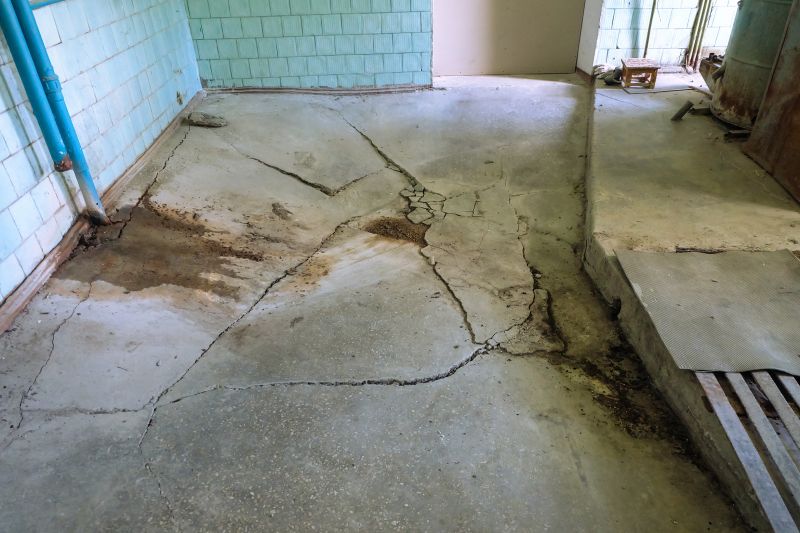
Understanding the common causes of cracks in commercial concrete slabs can help property owners identify potential issues before they become costly repairs. Everyday project situations such as improper site preparation, including inadequate soil compaction, can lead to uneven settling and stress on the slab. Additionally, variations in the thickness of the concrete during pouring or the use of low-quality materials can contribute to weaknesses that result in cracking over time.
Other frequent reasons for cracks include exposure to freeze-thaw cycles, especially in climates with significant temperature fluctuations, which cause the concrete to expand and contract. Heavy loads or frequent traffic on the slab can also exert excessive pressure, leading to tensile stresses that cause cracks. When these issues arise, local contractors experienced in commercial concrete slab crack repair can assess the damage and recommend suitable solutions to restore the integrity of the surface.
What are common causes of cracks in commercial concrete slabs? Common causes include soil movement, improper curing, and structural overloads that put excessive stress on the slab.
How does soil settlement lead to cracking in concrete slabs? When the soil beneath a concrete slab shifts or settles unevenly, it can create stress points that cause cracks to form over time.
Can poor construction practices cause cracks in commercial concrete slabs? Yes, inadequate reinforcement, improper mixing, or insufficient curing during construction can lead to cracking issues later on.
What role does environmental exposure play in cracking of concrete slabs? Exposure to freeze-thaw cycles, moisture fluctuations, and temperature changes can cause expansion and contraction, leading to cracks.
How can local contractors help repair cracks caused by these issues? Experienced service providers can assess the cause of cracks and perform effective repair solutions to restore the integrity of commercial concrete slabs.
Soil movement and settlement - property owners can work with local contractors to assess soil stability before pouring concrete, helping prevent future cracks caused by shifting ground.
Poor curing practices - understanding proper curing techniques allows property owners to ensure concrete gains strength evenly, reducing the risk of cracking.
Heavy loads and overstressing - consulting local service providers about load limits can help avoid cracks from excessive weight on concrete slabs.
Inadequate joint placement - planning for proper joint spacing with local pros can control where cracks form, making repairs more manageable.
If you are thinking about common causes of cracks in commercial concrete slabs for a property, this guide is meant to help you understand this topic, the typical project types, and how different options might fit your plans.
When you are ready, you can use the quote form on this page to share a few details about your project. From there, local pros can review the basics and follow up with options that match what you have in mind.